Every retail brand in Calgary has a window. Most use it for signage, a few mannequins, or a seasonal poster. Very few treat it as what it actually is: the single most valuable marketing surface they own. Unlike a social media post that disappears in a scroll, a window display works around the clock, reaching every person who walks or drives past.
The brands that understand this treat their windows like gallery installations. Anthropologie built an entire creative program around it, commissioning local artists and designers to create handcrafted window displays unique to each store location. Walk past any Anthropologie and the window alone tells you this is a brand that cares about craft, locality, and detail. It is one of the most effective brand-building tools in retail, and it is driven entirely by design.
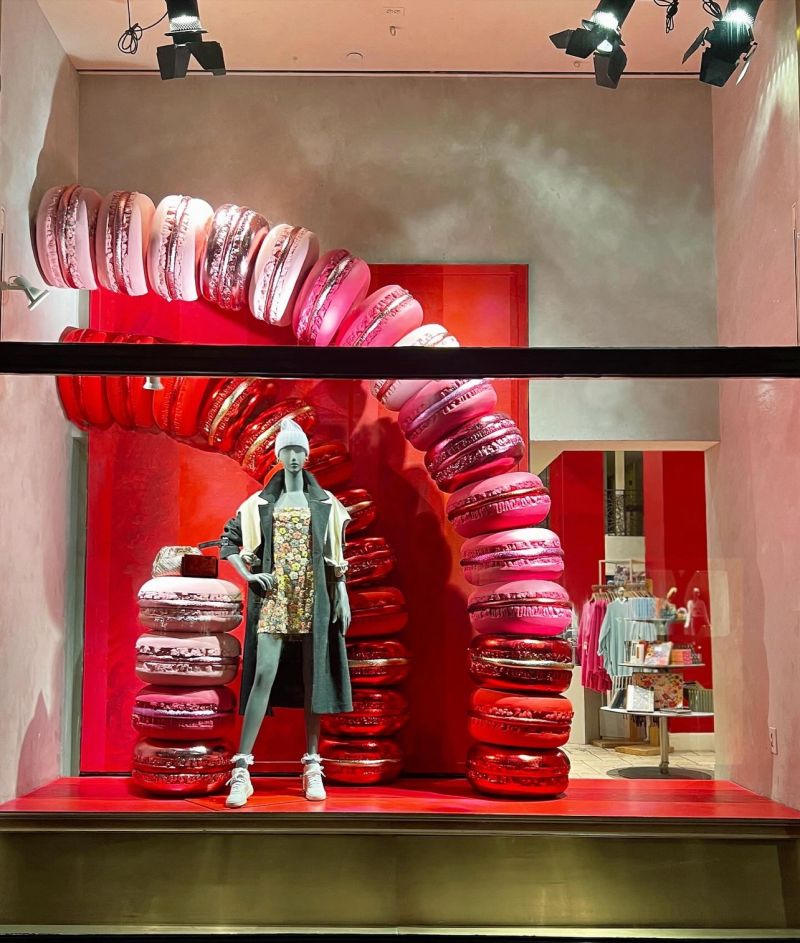
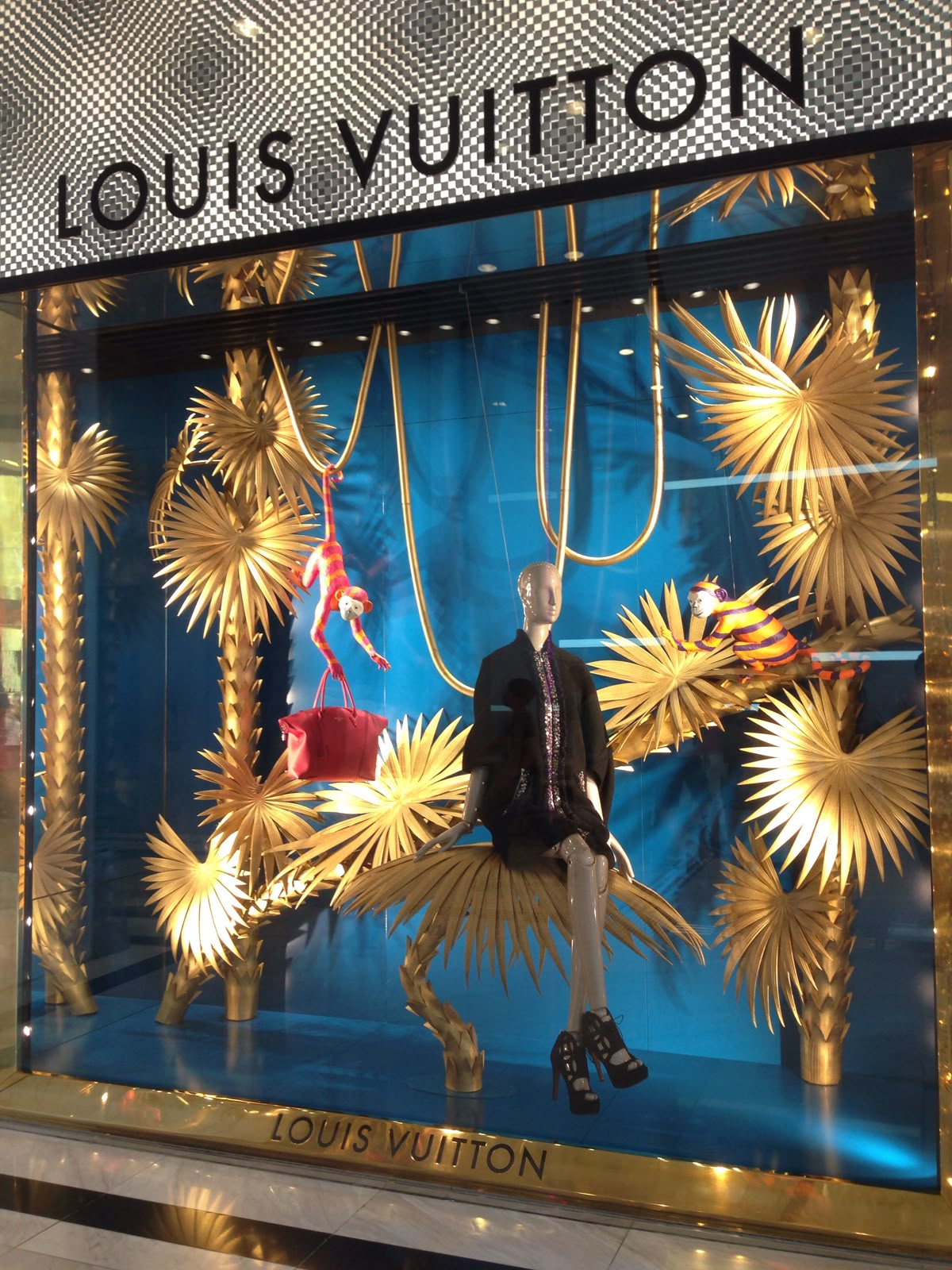
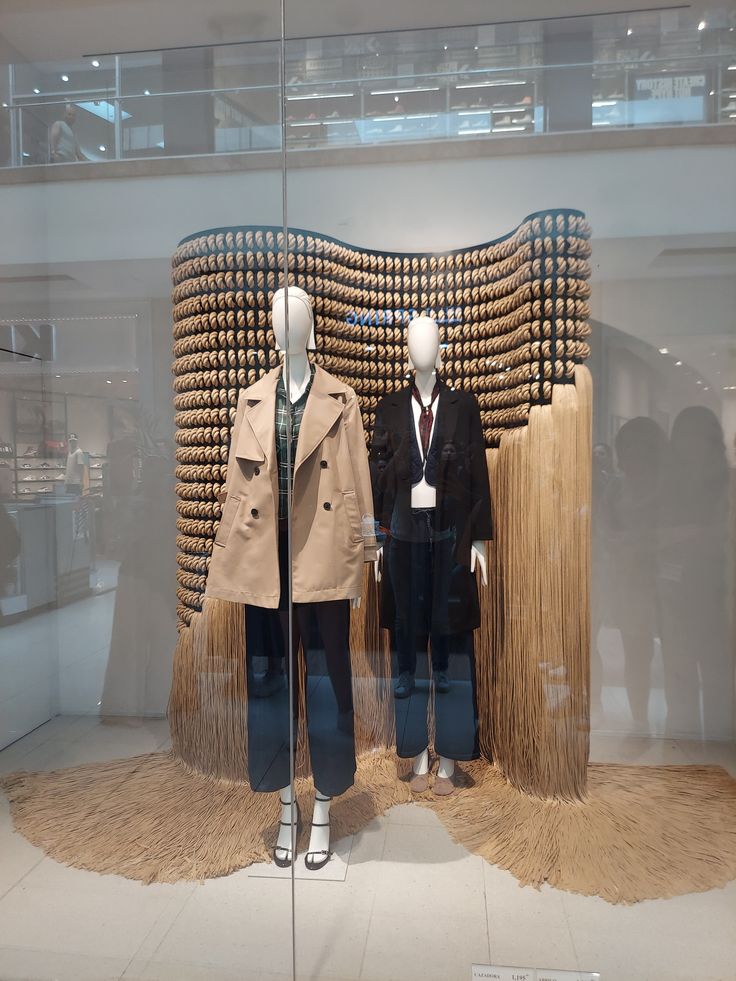
In Europe, this is embedded in the culture. Walk through Milan's design district and every storefront is a curated exhibition. Furniture showrooms, fashion houses, and boutiques treat their windows as rotating installations that change with the seasons. In Barcelona, the same energy shows up across the city, from the flagship Zara stores on Passeig de Gràcia with their sculptural, architecturally considered window installations to independent shops in the Born district. Zara's windows in Spain are a world apart from what most people associate with fast fashion. They commission actual installation work, bold sculptural forms and material experiments that read more like contemporary art than retail merchandising.
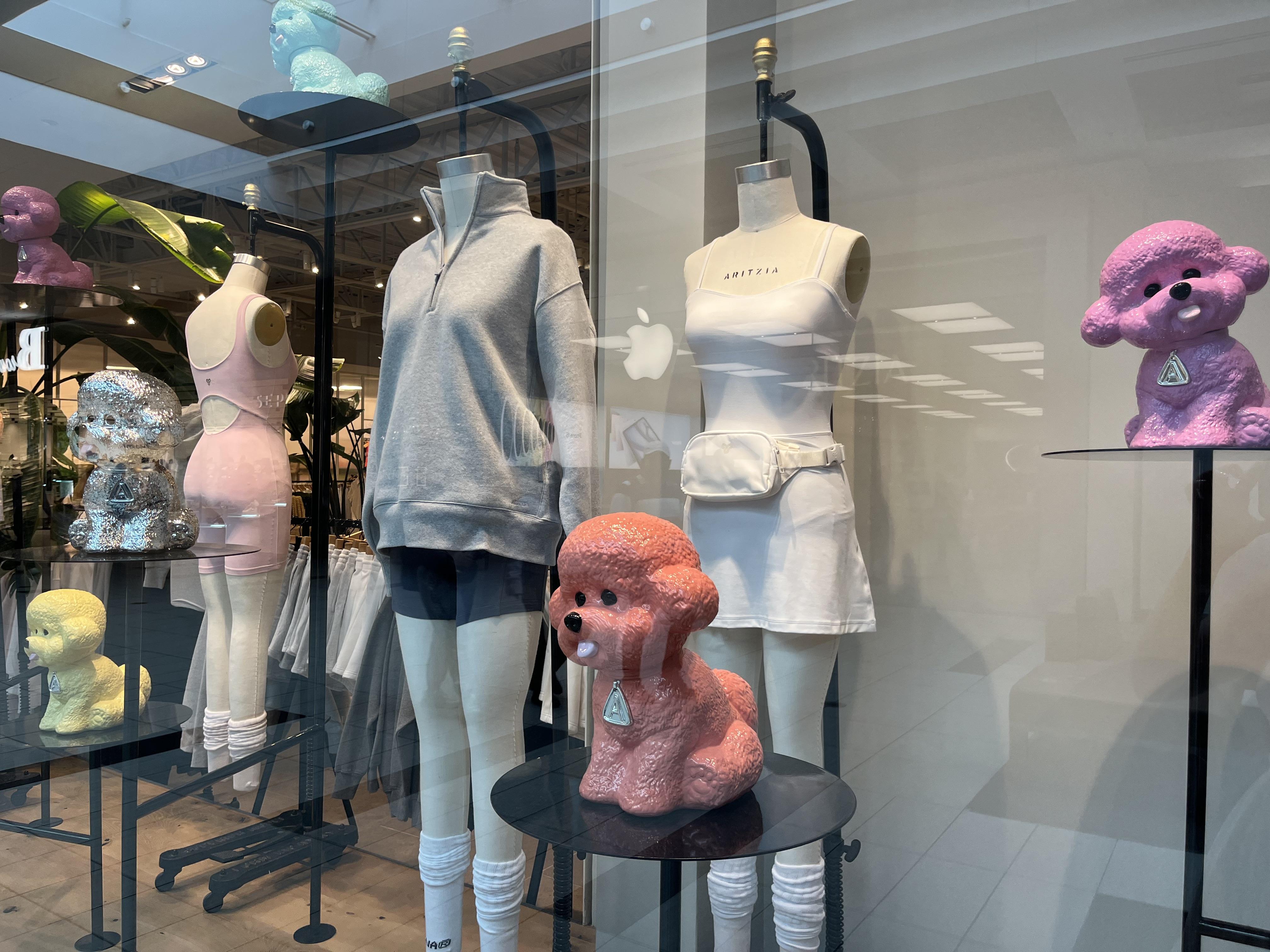
Aritzia has taken a similar approach closer to home, creating sculptural window pieces so distinctive that people want to take them home. Dogs in hand-tailored jackets. Oversized golden ladybugs. These are not decorations. They are objects with enough personality and craftsmanship that they become cultural moments, shared on social media and remembered long after the season changes.
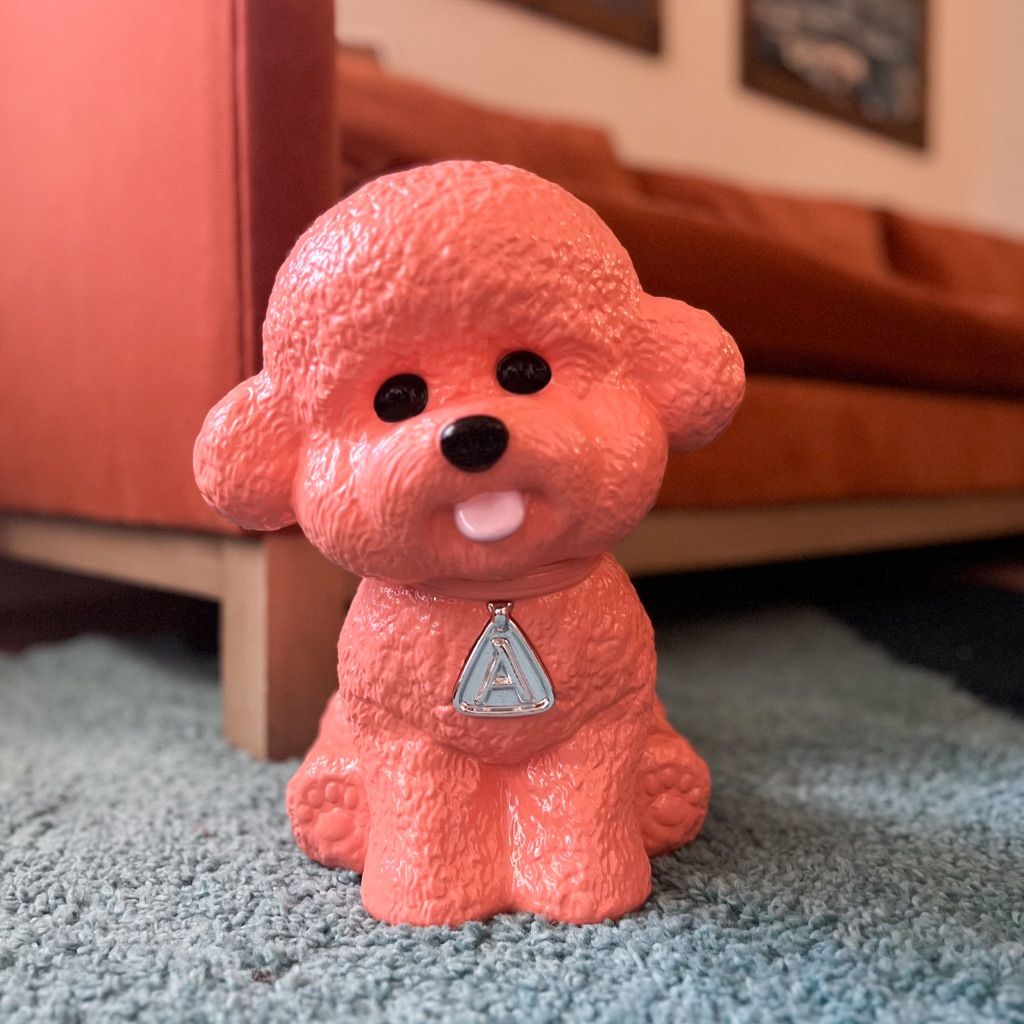
In Calgary, this level of design thinking in storefront windows is still rare. That gap is an opportunity for any brand willing to invest in it.
What Window Display Design Actually Involves
Traditional visual merchandising focuses on product placement and signage. Window display design goes further. It is closer to set design or installation art, applied to a commercial context. The best visual merchandising today treats the storefront as a canvas for storytelling, not just a shelf for product. The process follows a structured path from brief through concept, 3D visualization, technical drawings, fabrication, and installation.
A strong window display starts with a clear understanding of the brand, the audience, and the physical constraints of the space. From there, the designer develops concepts, typically two or three options, presented as mood boards and 3D renders showing exactly how the finished installation will look from street level.
Technical drawings follow: floor plans, elevation plans, material specifications, and construction details. This is where architectural training matters. A window display needs to be structurally sound, safely installed, properly lit, and able to withstand temperature fluctuations, especially in a climate like Calgary's where a street-facing window sees extremes from minus thirty to plus thirty throughout the year.
The best window displays are not decorations. They are objects with enough craft and personality to become cultural moments.
Why It Works
Research consistently shows that window displays are one of the most effective drivers of unplanned store visits. A well-designed window does three things: it stops people, it communicates the brand, and it gives them a reason to walk through the door. In a retail environment where foot traffic is harder to earn than ever, that sequence is worth a lot.
The effect compounds over time. A brand that rotates its windows seasonally, four to eight times per year, builds a reputation for being current, thoughtful, and worth paying attention to. Passersby start to anticipate the next change. The window becomes a talking point, a photo opportunity, and a signal of quality that extends to everything the brand sells.
The Local Artist Model
One of the most compelling approaches to window display design is the model Anthropologie pioneered: partnering with local artists and designers to create installations that are specific to each store's neighbourhood. Instead of shipping the same corporate display to every location, they commission original work that reflects the local creative community. The result is a window that feels genuine, not manufactured.
This model works at any scale. A boutique on 17th Avenue could commission a local sculptor to create a seasonal piece. A salon in Inglewood could work with a designer to build an installation that changes quarterly. A restaurant in Kensington could treat its front window as a rotating gallery. The common thread is intention: investing in design that speaks to the specific place and audience, rather than defaulting to generic signage.
What makes this approach powerful is that it pulls in local artists and craftspeople. A single window commission can involve sculptors, fabricators, painters, textile artists, and material specialists, all from the local creative community. The brand gets a one-of-a-kind installation. The artists get paid, visible work in a high-traffic location. The neighbourhood gets something worth stopping for. Everyone benefits.
The missing piece for most brands is knowing how to make it happen. Connecting with the right artists, developing a concept that serves both the brand and the creative vision, managing fabrication and installation logistics, and ensuring the final result is structurally sound and on schedule. That is where an art partner comes in. A studio that understands both the creative and the operational side can bridge the gap between a brand that wants something meaningful in their window and the artists who can make it.
Where Calgary Brands Can Start
You do not need a department store budget to benefit from professional window design. The scale ranges from simple concept-and-direction for a single window to fully fabricated seasonal installations. What matters is the intention behind it.
Retail brands along 17th Avenue, Stephen Avenue, Kensington, and Inglewood are particularly well-positioned. These are high-foot-traffic corridors where window visibility is at its highest. A boutique, salon, restaurant, or gallery in one of these districts that invests in its window is making a statement about how seriously it takes its brand.
The typical process for a retail brand working with a design studio looks like this:
- Brief: Define the brand, the seasonal theme or campaign, the budget, and the timeline
- Concept: The designer presents two to three directions as mood boards and renders
- Refinement: One direction is selected and developed into detailed technical drawings
- Fabrication: All elements are built, often by specialist fabricators working from the designer's specifications
- Installation: Typically one to three days, often overnight for high-traffic locations
Beyond Retail: Visual Merchandising as Spatial Design
Window display design and visual merchandising are not limited to retail. Hospitality brands, corporate lobbies, cultural institutions, and even residential developments use display environments to communicate their identity. A hotel lobby installation during a festival, a developer's sales centre with a curated material display, or a gallery window that previews an upcoming exhibition all follow the same design principles.
The underlying skill set is spatial design: understanding how to create an environment that communicates a specific message to a specific audience within a defined physical space. The window is just one application of that thinking. Whether you call it visual merchandising, storefront design, or installation art, the goal is the same: making people stop, look, and feel something.
If you are a retail brand in Calgary thinking about what your storefront could be doing for you, we would love to talk about it.