There is a difference between a room that has been decorated and a room that has been designed. Decoration addresses surfaces. Design addresses systems. In the context of events, that distinction is the difference between a space that looks nice in a photograph and a space that fundamentally changes how the people inside it feel, move, and remember.
Immersive event design is not a trend. It is a discipline. It draws from architecture, theatre, interior design, and environmental psychology to create spaces where every sensory input has been considered and choreographed. The lighting is not ambient. It is directional, layered, and timed. The materials are not decorative. They are tactile, they carry temperature, they anchor the guest in a specific world. The spatial layout is not functional. It is narrative, guiding people through a sequence of moments the way a film guides a viewer through scenes.
This is the kind of work that is beginning to reshape how Calgary thinks about events. And it is long overdue.
What Makes an Event Immersive
The word immersive has been diluted by overuse. Every photo booth and LED wall gets called immersive now. But true immersion is not about spectacle. It is about designing the sensory environment itself so completely that the guest's awareness shifts from observing a space to inhabiting it.
Consider what actually shapes your experience when you walk into a room. Before you notice the centrepieces or the signage, your body has already registered the temperature of the light. Warm and low, or cool and clinical. You have felt the floor underfoot, whether it absorbs sound or reflects it. You have caught a scent, even if you cannot name it. These are the first signals your brain processes, and they determine whether you feel welcomed, alert, calm, or transported. Immersive design starts here, at the level of sensation, not decoration.
In an immersive environment, five systems work together. Lighting sets the emotional register and directs attention. Sound, whether music, ambient texture, or deliberate silence, establishes pace and mood. Scent anchors memory more powerfully than any visual element. Material and texture create physical connection between the guest and the space. And spatial flow, the architecture of movement through the room, shapes the narrative arc of the experience. When all five are aligned, the guest does not just attend the event. They are inside it.
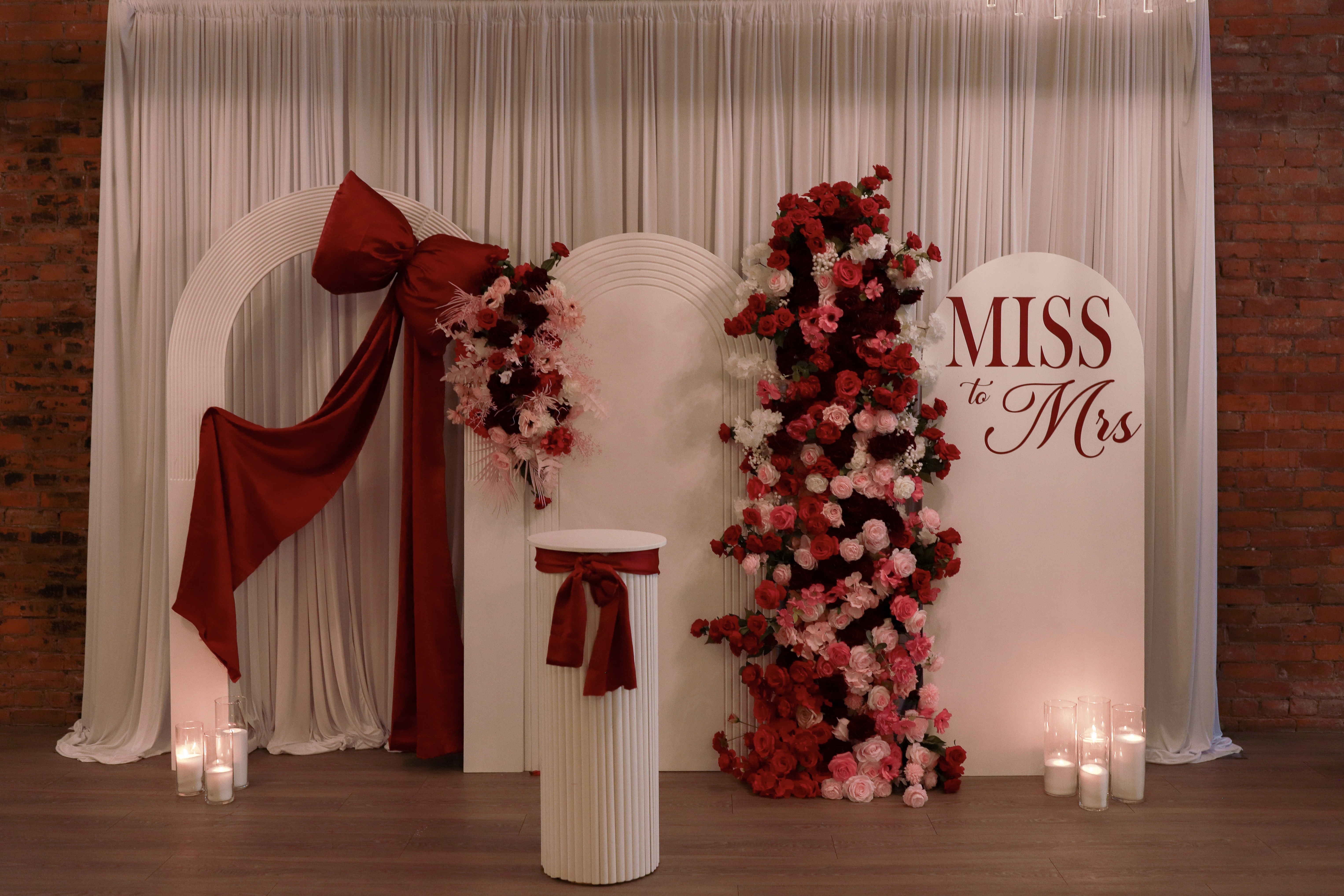
This is fundamentally different from the conventional approach to event design, which treats the room as a container and decoration as something applied to its surfaces. In immersive design, the room is the medium. The space itself tells the story.
Decoration addresses surfaces. Design addresses systems.
The Rise of Immersive Events in Calgary
Calgary's event landscape is changing. For years, the default for corporate galas, annual dinners, and large-scale celebrations was a hotel ballroom with a colour palette, some florals, and a DJ. That model still exists, and for certain occasions it still works. But a growing number of clients, both corporate and private, are asking for something different. They want their guests to feel something specific when they walk in. They want the environment to carry the message, not just the keynote speaker.
Corporate clients are leading this shift. Companies that once booked a ballroom and a caterer are now investing in designed environments for their annual galas, leadership retreats, and client appreciation events. They understand that the physical experience of an event communicates as loudly as any presentation. A company that claims to be innovative but hosts its annual gala in a generically decorated ballroom is sending a contradictory message. The space tells the truth.
Cultural celebrations are pushing the discipline even further. South Asian weddings, multicultural events, and community gatherings in Calgary have always demanded environments that are rich, layered, and emotionally resonant. These clients are not looking for a decorator. They are looking for a designer who can translate cultural narrative into spatial experience, someone who understands that a mehndi night, a sangeet, or a walima each carry distinct emotional registers that the environment must support.
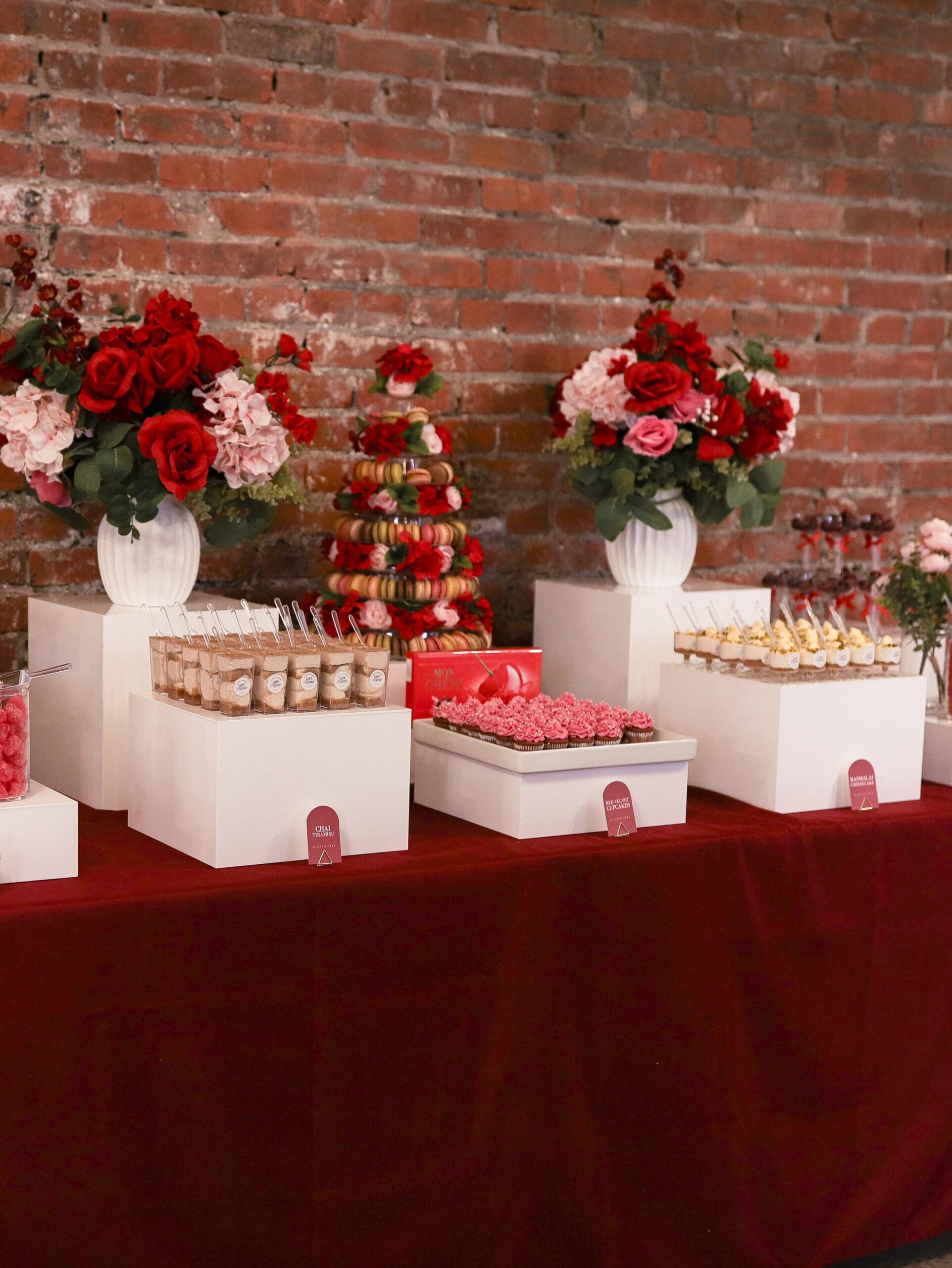
Brands, too, are discovering immersive events as experiential marketing touchpoints. Rather than sponsoring a conference or buying ad space, forward-thinking companies are creating their own environments where customers and influencers experience the brand physically. A designed dinner. A product launch that feels like entering a new world. A pop-up that engages all five senses. These events generate content, build loyalty, and create the kind of word-of-mouth that no digital campaign can replicate.
Calgary's venue landscape is enabling this work. Spaces like Venue 308, The Ampersand, and Studio Bell offer the raw architectural character that immersive design requires. Unlike generic hotel ballrooms, these venues have texture, volume, and personality. They are canvases that respond to design rather than resist it.
Types of Immersive Events We Design
Immersive design is not a single format. It is an approach that adapts to the occasion, the audience, and the story being told. At KINN Studios, the immersive events we design in Calgary and the Canadian Rockies fall into several categories, each with its own design logic.
Corporate Galas and Annual Events
The annual gala is an organization's most visible moment. It is where the brand meets its stakeholders in three dimensions. Immersive design transforms these events from obligation into experience. We design environments where the lighting shifts between dinner and awards, where the materials on the tables connect to the organization's identity, and where guests feel the company's values before anyone speaks a word. The spatial design considers everything from the entrance sequence to the post-dinner flow, ensuring the evening has a narrative arc, not just a schedule.
Cultural and Multicultural Celebrations
Calgary's multicultural community deserves event environments that honour the depth of the occasions being celebrated. Immersive design for cultural events means understanding the emotional trajectory of a celebration, whether it is the intimacy of a mehndi, the energy of a sangeet, or the formality of a reception, and building an environment that supports each phase. Lighting, scent, sound, and material all shift to match the moment.
Brand Dinners and Influencer Gatherings
A designed brand dinner is one of the most effective tools in experiential marketing. We design these environments so that every angle produces content, every touchpoint reinforces the brand, and every guest leaves feeling they were part of something that was built specifically for them. The table is a designed object. The lighting is a branded element. The spatial layout creates both intimacy and spectacle.
Luxury Private Celebrations
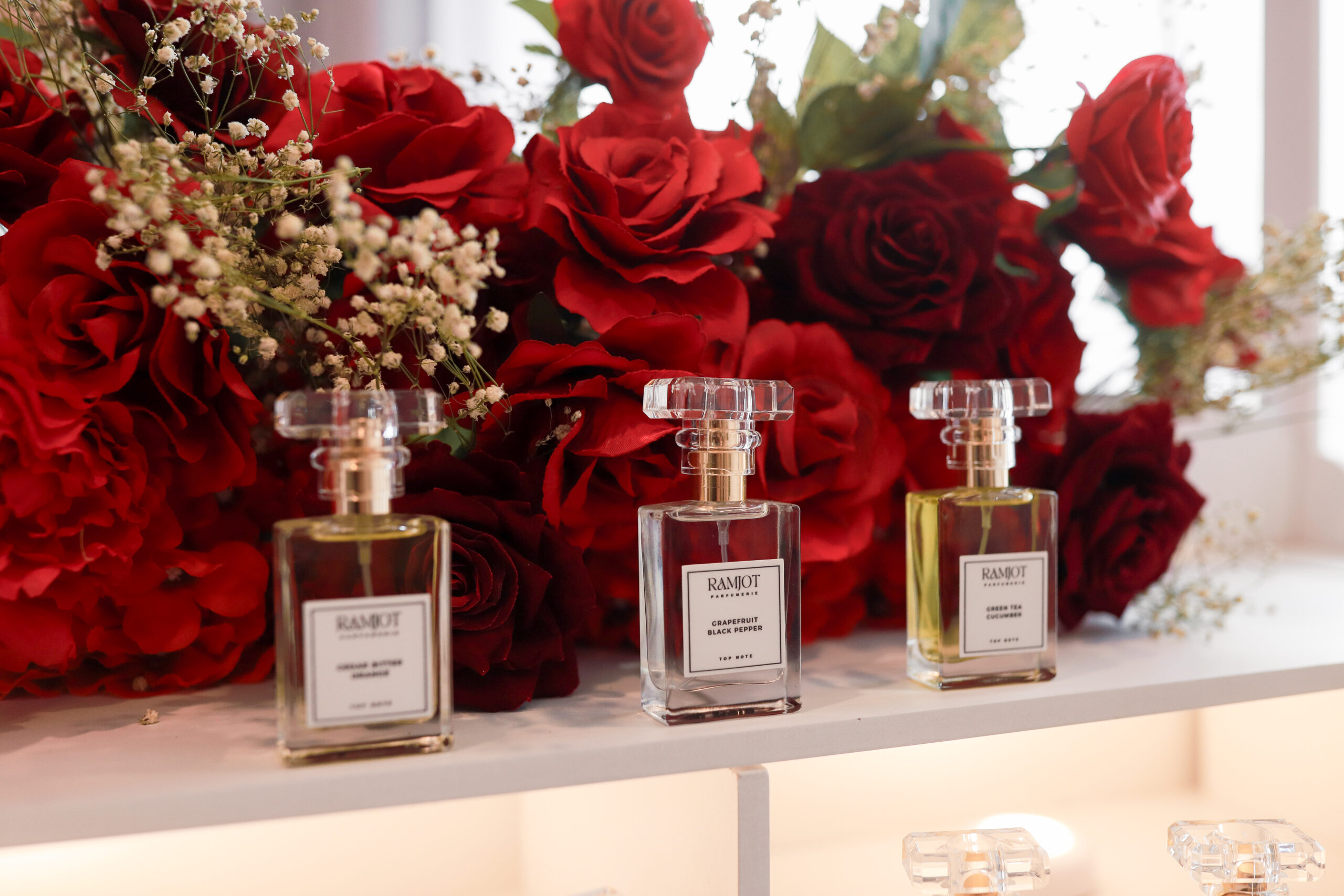
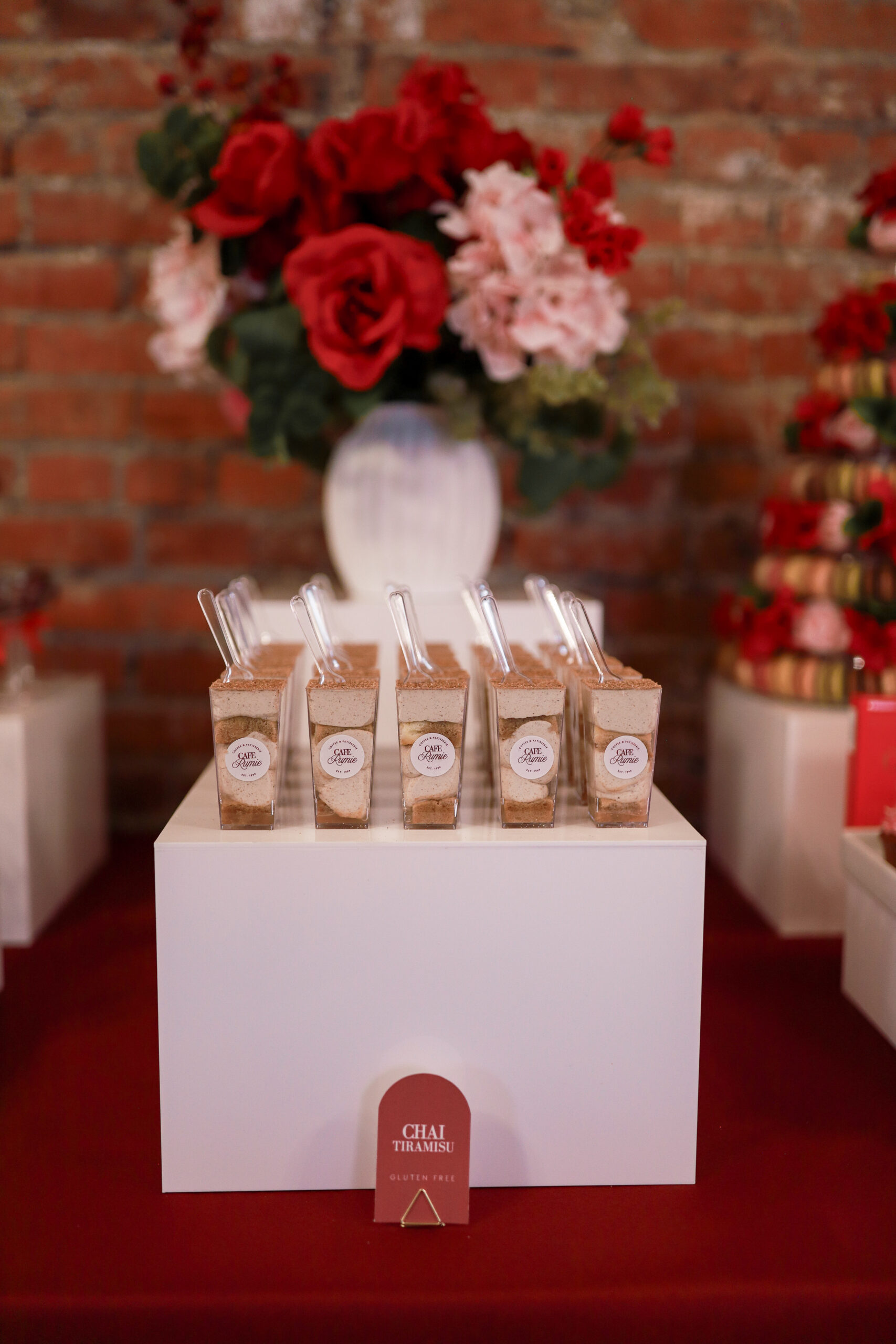
Some of our most immersive work is for private clients who want their celebration to feel like nothing else. Our Ma Cherie project is an example of this approach taken to its fullest expression: a private celebration where every material, every light source, every spatial decision was designed to create a world that existed for one night only. These events are not about impressing guests with a budget. They are about transporting them.
Product Launch Environments
A product launch is a moment of introduction. The environment should make the product feel inevitable. We design launch spaces where the architecture of the room guides guests toward the reveal, where the material palette connects to the product's identity, and where the sensory environment, the lighting, the sound, the scent, all prepare the guest to receive the product in a specific emotional state. The space does the selling.
The Design Process: From Brief to Built Environment
Immersive event design is not improvised. It follows a rigorous process that moves from concept to construction with the same discipline as an architectural project. Every environment we build at KINN Studios goes through five phases.
Discovery
Before any design work begins, we need to understand three things: the audience, the occasion, and the story. Who will be in the room? What is the emotional register of the event? What should guests feel when they arrive, during the experience, and when they leave? Discovery is a conversation, sometimes several conversations, that establishes the design brief. It is the foundation that everything else is built on. We also conduct a site visit during this phase, studying the venue's architecture, natural light, acoustics, and spatial constraints.
3D Spatial Modelling
Once the concept is established, we build it digitally. Our clients see their event in three dimensions before a single material is ordered. 3D spatial modelling allows us to test lighting scenarios, evaluate sight lines, plan guest flow, and identify potential issues before they become problems on-site. Clients walk through the space virtually, approve the design with full spatial awareness, and make refinements when changes are inexpensive. This step eliminates the gap between expectation and reality that plagues conventional event design.
Material Selection and Sensory Mapping
This is where the environment becomes tactile. We select every material the guest will encounter: the fabric on the chairs, the finish on the tables, the texture underfoot, the weight of the glassware. We map the sensory journey, plotting how lighting, scent, and sound shift as guests move through the space. A sensory map is as important to immersive design as a floor plan is to architecture. It ensures the experience is consistent, layered, and intentional from entrance to exit.
On-Site Execution and Project Management
Installation day is where design meets reality. Our team manages the build on-site, coordinating with vendors, lighting technicians, audio engineers, florists, and fabricators to ensure the environment matches the 3D model. We do not hand off a design and hope for the best. We are in the room, adjusting light angles, refining material placement, and quality-checking every detail until the space is right. Immersive environments are precision work, and the final ten percent of refinement is what separates a designed space from a decorated one.
Documentation
Every environment we build is professionally documented. This serves two purposes: it gives the client a record of their event that matches the quality of the experience itself, and it builds a reference library that informs future work. For brand events, documentation also provides content assets that extend the event's reach well beyond the evening itself.
The final ten percent of refinement is what separates a designed space from a decorated one.
How Much Does Immersive Event Design Cost in Calgary?
One of the most common questions we receive is about cost. It is a fair question, and one that deserves a direct answer. Immersive event design is an investment, and like any investment, the return depends on what you are trying to achieve and how far you want to push the environment.
Here is a realistic range for immersive event design in Calgary, based on the scope of the environment and the level of customization involved:
Intimate Gatherings: $3,000 to $8,000
This covers designed environments for groups of 20 to 50 guests. Think a private dinner, a small brand activation, or an intimate celebration. The design work includes concept development, spatial planning, lighting design, material selection, and on-site installation management. At this level, the environment is cohesive and intentional, elevating the space well beyond standard event styling.
Mid-Scale Corporate Events: $10,000 to $25,000
For annual galas, corporate dinners, product launches, and cultural celebrations with 100 to 300 guests. This range includes 3D modelling, custom fabrication elements, multi-zone lighting design, sensory mapping, and full on-site project management. The environment is fully designed, with multiple spatial zones and a clear narrative arc from arrival to departure.
Large-Scale Immersive Experiences: $25,000 to $100,000+
For events where the environment is the centrepiece. Multi-room installations, custom-built structures, integrated AV systems, scent design, and environments that transform a venue into something unrecognizable. These are the projects where guests walk in and the real world disappears. They include full architectural modelling, extensive custom fabrication, advanced lighting and sound design, and a dedicated project management team.
These ranges cover the design and environmental build. They are separate from venue hire, catering, entertainment, and AV equipment rental, which are typically contracted independently. We can advise on all of these elements and coordinate with vendors, but the design fee covers the creative and spatial work that makes the event immersive.
Choosing the Right Design Partner
The events industry uses several titles that sound similar but describe very different roles. Understanding the distinction will help you find the right partner for your project.
An event planner manages logistics: timelines, vendor coordination, budgets, and day-of operations. They ensure the event runs smoothly. A planner is essential for complex events, but their focus is operational, not environmental.
An event designer or event stylist works with visual elements: florals, tabletop design, colour palettes, linens, and decorative details. They make the space look beautiful. Many talented designers work at this level, and for certain events it is exactly what is needed.
An experiential designer or immersive designer works at the level of the environment itself. They design the spatial experience, the lighting systems, the material architecture, the sensory journey, and the narrative flow of the event. They think in three dimensions and design for all five senses. This is what we do at KINN Studios. Our founder holds a Master of Architecture from the University of Calgary, a credential that brings structural thinking and spatial precision to every immersive event. That background in architecture and environmental storytelling means we approach events as built environments, not decorated rooms.
If you are evaluating a potential design partner for an immersive event, here are the questions worth asking:
- Do you work in 3D modelling, or only mood boards and flat layouts?
- How do you approach lighting design? Is it part of the concept or handled separately?
- Can you walk me through the sensory journey of a past project?
- Do you manage the on-site installation, or hand off to a vendor team?
- How do you handle the gap between the design concept and the physical build?
- What is your process for understanding the audience and the story before designing?
The answers will tell you whether you are speaking to someone who decorates events or someone who designs environments.
If you are planning an event in Calgary that deserves more than decoration, we would welcome the conversation. Whether it is a corporate gala, a cultural celebration, a brand experience, or a private event that needs to feel like nothing else, immersive design is how we work.
Explore our immersive event design services, or get in touch to start a conversation about your project.