Marketing managers ask us the same thing in almost every first conversation: what does this budget actually get me? It is a fair question, and it deserves a plainer answer than most agencies give. This post walks through three budget tiers we see regularly in Calgary, $10,000, $25,000 and $75,000, describes what each one looks like on the ground, and shows where the money goes. If you are still deciding whether an activation is the right tool at all, start with our complete guide to brand activations in Calgary and come back here for the numbers.
These are typical Calgary ranges based on our own quoting and on what we see across the local market. Every activation is different. Use them to set expectations, then ask for an itemised proposal.
Where an Activation Budget Actually Goes
Before the tiers, it helps to see the shape of a budget. Almost every activation we scope splits into the same lines, whatever the total.
| Budget Line | Typical Share |
|---|---|
| Concept, spatial design and drawings | 10 - 15% |
| Fabrication, materials and finishes | 30 - 40% |
| Venue or space fees, permits, insurance | 10 - 20% |
| Lighting, power, AV and technology | 5 - 15% |
| Transport, installation, strike and storage | 10 - 15% |
| Staffing and brand ambassadors | 5 - 10% |
| Contingency | 5 - 10% |
The two lines people underestimate are installation and contingency. A beautiful build that arrives on site without a plan for load-in, power and strike costs more on the day than it saved in the shop. We hold a contingency on every job and we would rather return it than need it.
What $10,000 Buys
At $10,000 you are buying one well-designed moment. The activation typically runs one or two days in a space you already have access to: a retail unit, a section of an existing event, a sponsor footprint at a market or festival, a corner of your own office for a launch. The budget covers a concept and a set of drawings, one custom-fabricated element that carries the brand, simple lighting, a small installation crew and a short run of staffing.
The custom element is the whole point. It might be a painted backdrop with a built seating piece in front of it, a sculptural product display, a scaled-up version of the product itself, or a single wall treatment that turns a plain unit into somewhere people want to be photographed. Everything else in the footprint can be rented or simple. What you should not do at this tier is spread the money across five small things. One element done properly reads as intent. Five rentals read as a trade show.
For a private event scale of this kind, our Ma Chérie bridal shower is a useful reference: one bespoke perfume cart carried the whole experience. The same logic applies to a brand.
What $25,000 Buys
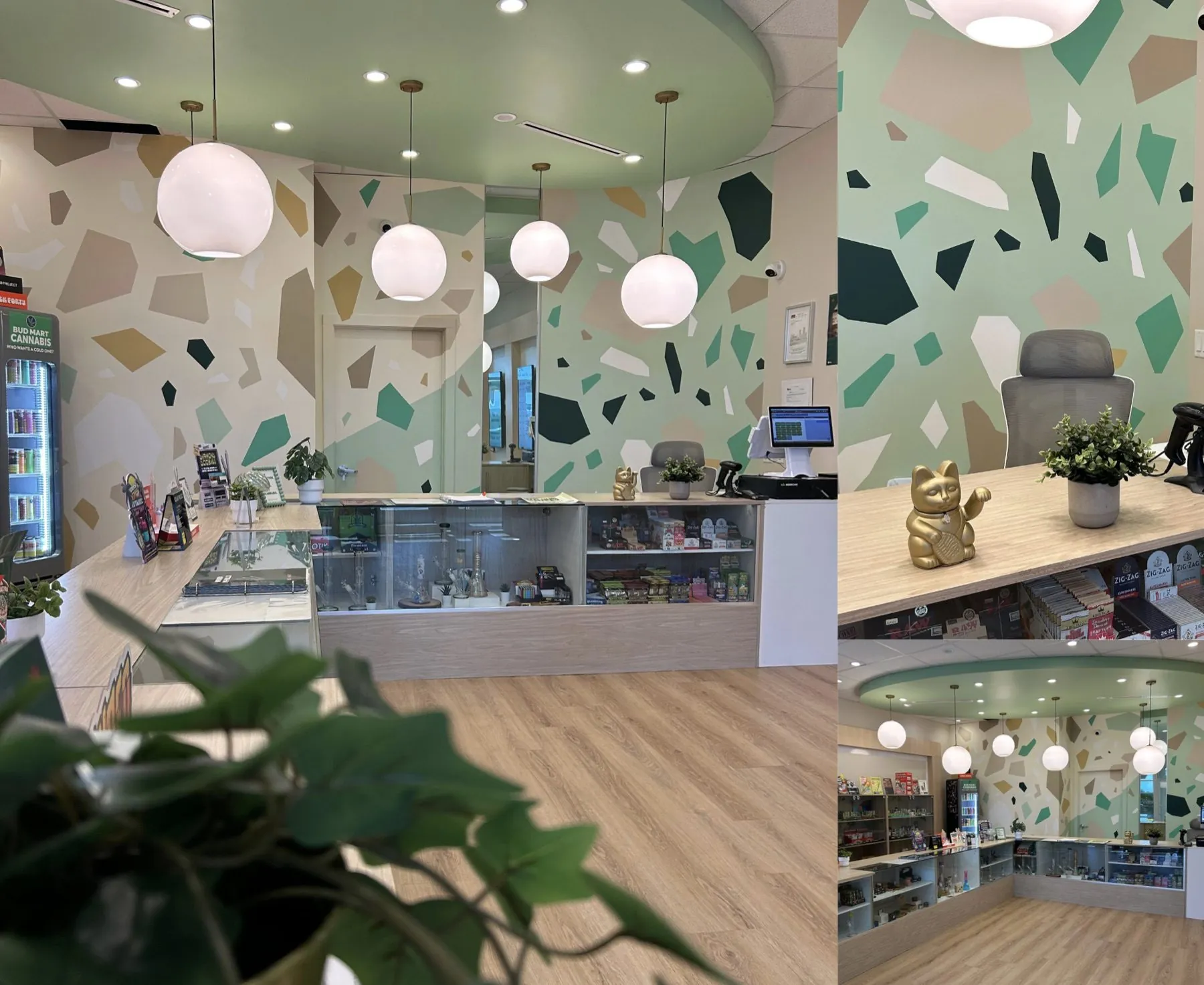
At $25,000 the activation becomes a designed environment rather than a single object. You can afford a proper spatial plan with an arrival, a core moment and an exit, two or three custom-built elements, controlled lighting, a venue or public space fee, permits and insurance, and a run of three to five days with staffing.
This is the tier most Calgary pop-ups and sponsor activations sit in, and it is where a good agency makes the biggest difference. The money has to be split deliberately between the things people see and the things that make the day work. A typical split might be a fabricated feature wall or structure, a product interaction table built to match, custom seating or a photo moment, and a lighting plan that makes the whole thing read at night as well as during the day. Our post on pop-up brand activations in Calgary covers how we design, build and launch at this scale.
Venue choice matters at $25,000. A vacant Beltline unit, an Inglewood heritage space and a plaza on Stephen Avenue each come with different fees, power and permit requirements. We compare the options in our guide to Calgary venues for brand activations.
What $75,000 Buys
At $75,000 you are commissioning a built environment with a production schedule behind it. This tier supports a fully custom structure or set, several designed zones, engineered elements if anything is tall or suspended, professional lighting and sound, an interactive or technology element, a public venue with the permits that come with it, a week or more on site, and a full crew for install, run and strike.
Projects at this scale look like a temporary park, a branded pavilion or a takeover of a public corner.
At $75,000, a share of the budget should also go to measurement and to designing the experience so that it produces content without asking for it. If the activation is tied to a product launch, our product launch events guide covers how to structure the reveal. If it is a Stampede presence, read what works at Stampede before the brief is written.
Scale the footprint down before you scale the design down.
Three Ways Budgets Get Wasted
We see the same three mistakes at every tier, and each one is avoidable at the brief stage. None of them is about spending too little. They are about spending in the wrong order, and the fix is to decide the concept and the build before anything is booked or rented.
- Paying for rentals instead of a build. Rented furniture, tents and printed walls look rented. At any tier, one custom element does more work than a room of hires.
- Deciding the venue before the concept. A venue booked early locks in fees, power limits and access rules before anyone has drawn the idea. Brief the design first, then match the venue to it.
- Leaving install and strike to the end. Load-in windows, lift access, after-hours labour and storage are real costs. If they are not in the proposal, they will be in the invoice.
How to Brief on a Budget
Tell the agency the number. A surprising number of briefs leave the budget out in the hope of a lower quote, and the result is a proposal for the wrong scale. With a figure, a date, a location and a clear objective, a studio can tell you within a week whether the plan fits and what would have to change if it does not. We wrote a copyable template in how to brief an experiential agency, and our experiential design services page explains how we take a brief from concept to strike. For the broader case for spending on physical experience at all, see why brands are investing in experiential marketing.
Frequently Asked Questions
What is a realistic minimum budget for a brand activation in Calgary?
A designed activation with one custom-built element, a small crew and a one or two day run can be done well from about $10,000. Below that, you are usually renting a tent and printing a banner, which is a presence rather than an activation. The custom element is what people photograph and remember, so we would rather scale the footprint down than remove it.
How much of an activation budget should go to design and fabrication?
In our experience roughly half of the total. The other half covers venue or space fees, permits and insurance, staffing, lighting and power, transport, installation and strike, and a contingency. If design and build are squeezed under a third of the budget, the activation tends to look like everything else at the event.
How far ahead should a Calgary brand activation be briefed?
Eight to twelve weeks for a $10,000 to $25,000 activation and four to six months for a $75,000 activation with custom fabrication and a public venue. Summer dates in Calgary, especially around Stampede, book early for both venues and fabrication shops.
If you have a budget and a date and want to know what they can realistically produce, send us the outline. We will tell you plainly what the number buys and where we would put it.